
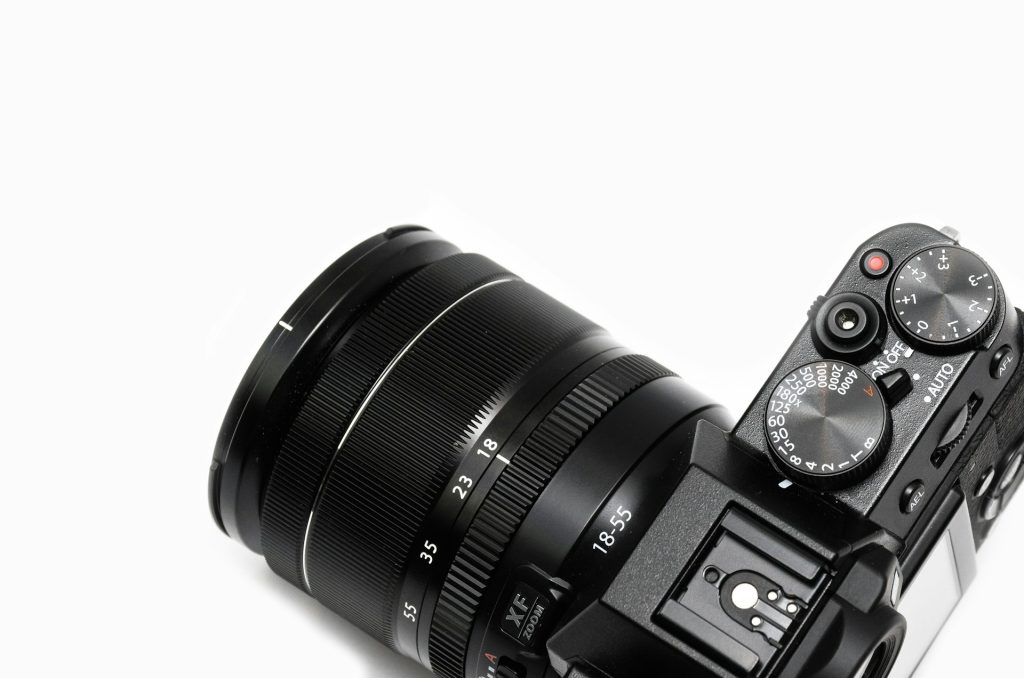
Camera bodies get most of the headlines, but the real revolution in photography over the next few years is happening in the glass itself. Lenses are becoming smarter, faster, and more capable of doing work that used to require a camera body or editing software entirely. Here’s what’s really worth watching as we head into 2027.
AI Moves Into the Lens Itself
For years, AI-driven autofocus and scene recognition lived entirely in the camera body, with the lens acting as a passive piece of glass. That’s starting to change. Manufacturers are now building AI processing directly into lenses, letting them perform real-time scene analysis and adjustments independently rather than relying entirely on the camera. This offloads processing work and opens the door to smarter, faster autofocus that reacts to a scene before the body even needs to catch up — a meaningful shift toward lenses becoming active, intelligent components rather than passive optics.
Autofocus Keeps Getting More Human
Autofocus has already come a long way from simple single-point tracking, and the next phase is about intelligence, not just speed. Lenses paired with modern bodies are increasingly capable of distinguishing between different subjects and movement types — a runner versus a cyclist versus a swimmer, for instance — and adjusting focus behavior accordingly. Expect this kind of contextual autofocus to keep improving through 2027, making it easier to nail focus on unpredictable, fast-moving subjects without constant manual adjustment.
A New Wave of Autofocus Lenses From More Brands
The lens market itself is getting more competitive, and not just from the usual major players. Third-party manufacturers are rolling out ambitious new autofocus lens lineups, including full-frame zooms and fast primes, aimed squarely at mirrorless systems from Sony, Nikon, and others. For photographers, that means more choice and healthier price competition, particularly in categories — like fast 85mm portraits or versatile 24-70mm zooms — that used to be dominated almost entirely by camera manufacturers’ own glass.
Hybrid Shooters Get More Attention
As more photographers shoot both stills and video on the same system, lens design is adapting to match. Expect continued refinement toward smoother, quieter focus motors suited for video, better breathing control (minimizing the “zoom effect” during focus pulls), and closer integration with in-body stabilization systems — all changes aimed at photographers and videographers who no longer treat those as separate disciplines.
Computational Help, Built Into Glass
Beyond autofocus, AI is starting to assist with image quality itself — real-time corrections for lighting, distortion, and even composition suggestions as you shoot, rather than fixes applied entirely in post-production. This won’t replace editing, but it’s shifting more of that work earlier in the process, right at the point of capture.
What This Means for Your Next Lens Purchase
If you’re planning a lens upgrade around 2027, don’t just look at focal length and aperture. Pay attention to autofocus motor technology, whether the lens includes any onboard processing, and how well it’s built for hybrid photo/video use — these are increasingly the specs that separate a good lens from a genuinely future-proof one.
Related Posts
 Carl Zeiss Will Release Three New Camera Lenses for Sony NEX and Fujifilm X
 Camera Lenses in the Near Future: Trends and Key Points to Remember
 Upcoming Camera Lenses: Everything You Need to Know
 5 Trends Shaping the Camera Lens Market in 2026
 Sony Shows New Camera Lenses in NAB 2013
 Fixing a Lightly Scratched Camera Lens